.png)
Safety Tips for Older Adults Exercising Outdoors

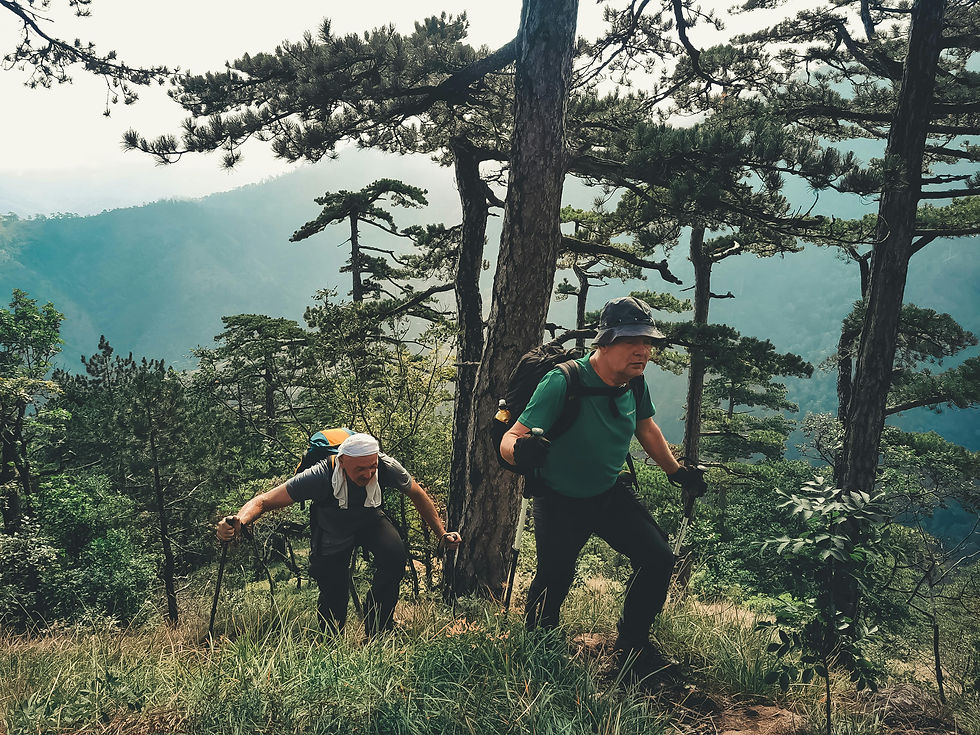
As the weather warms and the days grow longer, spending time outdoors becomes more inviting - and for older adults, it's also one of the best ways to stay active, healthy, and engaged. Outdoor exercise offers benefits far beyond physical fitness. It can boost mood, improve sleep, and support overall well-being. However, safety should always come first.
Here's how older adults can enjoy the outdoors while minimizing risks and maximizing benefits of physical activity.
Why Outdoor Exercise Matters
Regular physical activity helps maintain strength, balance, flexibility, and endurance - all essential for preserving independence. Outdoor environments add an extra layer of benefit by providing fresh air, natural light, and sense of connection to the world around us.
Even light activities like walking, gardening, or stretching in the sunshine can make a meaningful difference.
Dress for the Environment
Before heading outside, it’s important to dress appropriately for the weather and conditions:
Wear comfortable, supportive shoes to prevent slips and falls
Choose lightweight, breathable clothing in warmer months
Layer clothing in cooler weather to adjust as needed
Use sun protection such as hats, sunglasses, and sunscreen
Being prepared helps prevent overheating, hypothermia, and other weather-related concerns.
Stay Hydrated
Dehydration can happen quickly, especially during warmer weather. Older adults may not always feel thirsty, so it’s important to:
Drink water before, during, and after activity
Avoid excessive caffeine or sugary drinks
Take breaks as needed
Hydration supports energy levels and helps prevent dizziness or fatigue.
Choose Safe Locations
Where you exercise matters just as much as how you exercise.
Stick to well-lit, even walking paths
Avoid areas with heavy traffic or uneven terrain
Exercise during daylight hours when visibility is best
Consider walking with a friend or group for added safety
Familiar, safe environments reduce the risk of falls and injuries.
Listen to Your Body
One of the most important safety tips is knowing your limits.
Start slowly and gradually increase activity
Stop if you feel pain, dizziness, or shortness of breath
Take breaks when needed
Consult with a healthcare provider before starting a new routine
Exercise should feel energizing—not exhausting or painful.
Be Prepared
Even during light outdoor activity, it’s smart to be prepared:
Carry a cell phone or emergency contact information
Let someone know where you’re going
Wear a medical alert device if needed
These small steps can make a big difference in an emergency.
Bringing Safe, Active Living to Life at Our Facilities
At Trinity Healthcare Services, we believe that movement, fresh air, and meaningful activity are essential parts of quality of life—especially for the residents we serve.
Our Activities Department, led by dedicated teams, creates opportunities for residents to safely enjoy the outdoors through:
Supervised outdoor walks and courtyard time
Seasonal activities like gardening and porch socials
Light group exercise designed for all mobility levels
Safe, structured opportunities to stay active while being monitored by staff
We understand that safety and engagement go hand in hand. That’s why our teams carefully plan activities that promote physical wellness while ensuring each resident’s individual needs and abilities are respected.
Whether it’s a quiet moment in the sunshine or a group activity filled with laughter, we are committed to helping our residents stay active, safe, and connected.
At Trinity, we’re not just providing care—we’re creating opportunities to live well every day. 💜